

I source my home decor from five main places. I build direct relationships with independent designers for exclusive pieces you won’t find everywhere. I hit wholesale markets and trade shows like Atlanta Market to see thousands of brands in person and score better prices. I hunt vintage and antique dealers for one-of-a-kind character. I prioritize ethical makers with fair-trade certifications. And I discover emerging artisans online, then vet their portfolios and samples before committing. Each channel keeps my inventory fresh and unique.
Direct Sourcing From Independent Designers and Small Studios
One of my favorite things about home decor stores is how they’re increasingly stocking pieces you won’t find everywhere else, and a lot of that comes from working directly with independent designers and small studios. I’ve noticed that when I shop at these places, I’m discovering handmade ceramics and textiles with actual stories behind them. These retailers build relationships with makers, getting exclusive pieces designed just for their customers. It’s like being part of a group where you’re not just buying stuff—you’re supporting real artists. The cool part? The inventory stays fresh because independent designers constantly create new work. I feel good knowing my purchases help these small studios thrive, and honestly, that connection makes decorating my space feel far more meaningful than grabbing mass-produced items.
Wholesale Markets and Trade Shows: Where Bulk Sourcing Happens
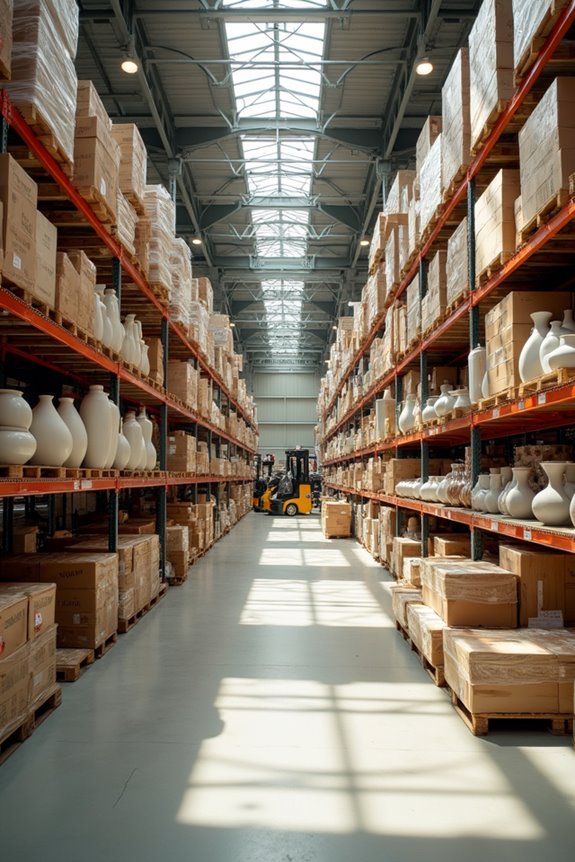
Ever wonder how home decor stores manage to stock hundreds of different items without spending weeks tracking down individual suppliers? Wholesale markets and trade shows are where this happens.
These massive events bring thousands of brands together in one spot. Atlanta Market, for example, happens twice yearly and showcases over 2,000 brands across 600+ showrooms. Here’s what makes them so valuable:
| Benefit | Why It Matters | Example |
|---|---|---|
| See items in person | Quality checks before buying | Examining Bernhardt furniture firsthand |
| Meet vendors directly | Build relationships, negotiate deals | Connecting with Zuo representatives |
| Compare prices quickly | Find best wholesale rates | Checking multiple showrooms |
You’ll find modern to rustic pieces from brands like Celadon Art and Arteriors Home. Designers, retail buyers, and event planners all gather here. Online registration is recommended—it speeds up the process considerably.
Where To Source Vintage, Antique, and Reclaimed Pieces

How do home decor stores find those one-of-a-kind vintage chairs and reclaimed wood shelves that catch customers’ attention? They source from specialized showrooms and dealers who curate inventory. Stores scout auctions and estate sales for pieces with solid provenance and genuine history. Online platforms now connect retailers with multiple vintage vendors, making bulk buying more accessible than before. Trade shows like Atlanta Market provide opportunities to meet suppliers face-to-face and view limited-edition runs directly. Some stores also partner with reclaimed manufacturers and artisans to build unique collections with exclusive items.
Sourcing Ethically Produced and Sustainable Goods
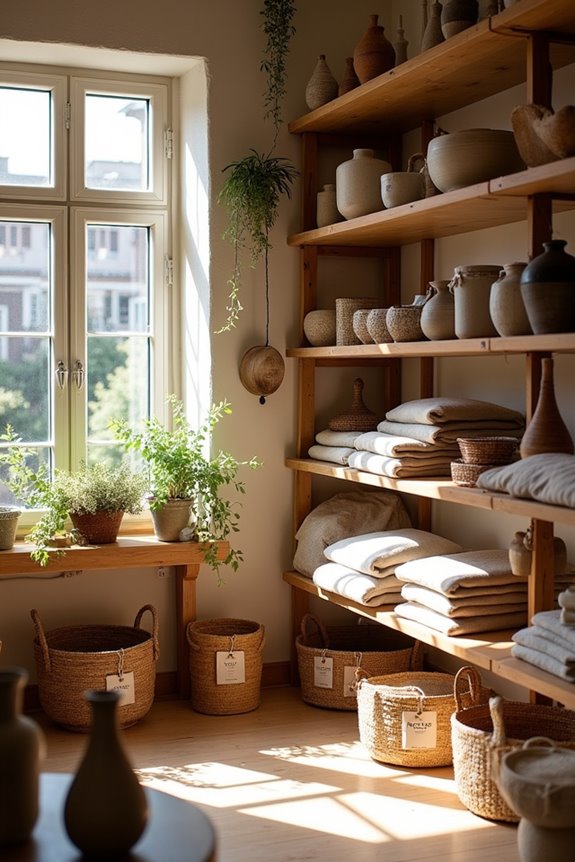
When I’m hunting for home decor that doesn’t come with a guilty conscience, I’ve found that partnering with brands committed to fair trade and sustainable practices matters. I look for retailers like Goodee that spotlight artisan-crafted pieces and sustainable materials. Places like EcoVibe connect me with minority-owned makers and family businesses I actually want to support. I used to think ethical shopping meant paying more, but wholesale events like the Atlanta Market showed me otherwise. You can find fair trade textiles, FSC-certified wood, and Cradle to Cradle certified items at reasonable prices. Online platforms now make it easy—they list certifications clearly and offer fast shipping. It’s honestly become my go-to approach for decorating responsibly.
Finding and Vetting Emerging Makers Online
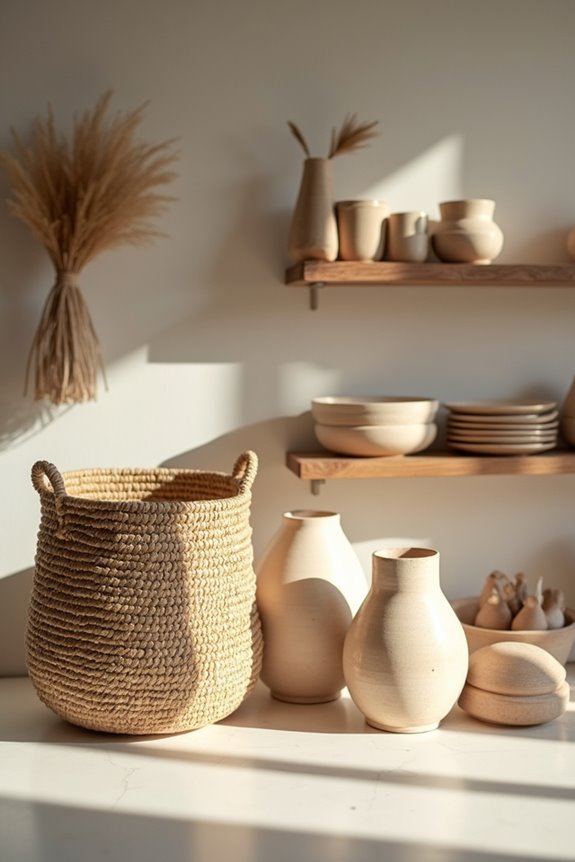
Where’d I find those gorgeous handmade ceramic bowls in my living room? Online platforms, honestly. I discovered curated marketplaces and dealer networks that connect me directly with emerging makers nationwide. No showroom visits needed.
Here’s how I vet these home décor artisans:
| Step | What I Check | Why It Matters |
|---|---|---|
| Portfolio Review | Past work quality | Confirms their style fits my store |
| Production Capacity | Lead times and MOQs | Verifies they can handle my orders |
| Certifications | Fair-trade, sustainability | Aligns with my values |
I also explore design-focused trade shows and social media groups where designers share collaboration opportunities. Then I request samples before committing to larger orders. It’s like dating—you test compatibility first. This approach lets me build relationships with emerging makers while securing authentic, ethically produced pieces my customers will genuinely appreciate.