

Yeah, home decor’s totally a legitimate hobby. It’s creative, hands-on, and lets you express who you are through color, texture, and layout. You’ll develop practical skills like space planning and DIY techniques while building confidence in your own taste. Plus, finishing even small projects—like painting frames or rearranging furniture—gives you genuine pride and motivation to tackle bigger things. If you’ve ever felt that rush redesigning a room, you know it counts.
Is Home Decor a Hobby? Understanding the Definition
Ever wonder if arranging your living space counts as a real hobby? I’ve asked myself this question plenty of times while rearranging my throw pillows for the third time this month. Home décor absolutely qualifies as a legitimate hobby. It’s creative, hands-on, and deeply personal. When I’m styling my living room or repainting an old frame, I’m not just tidying up—I’m expressing who I am through interior design. This hobby lets me experiment with color palettes, textures, and furniture arrangements that match my taste. I’m learning practical skills like space planning and DIY techniques without needing to hire professionals. Whether you’re a casual rearranger or someone who loves redesigning, home décor is a hobby we can all enjoy.
Why Home Decor Fits the Hobby Mold
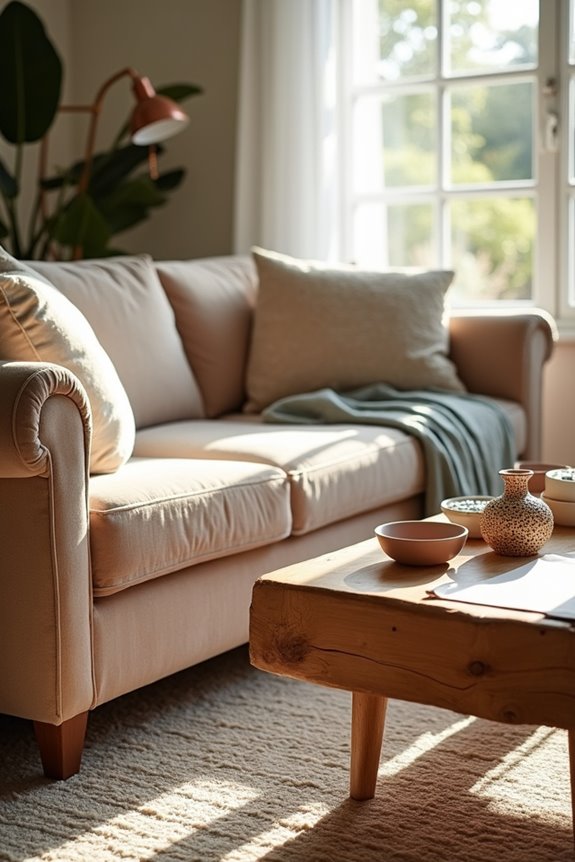
What makes something a real hobby anyway? For me, home décor absolutely qualifies because it checks all the boxes. I’m doing something I genuinely enjoy, learning new skills, and expressing myself through my space.
Here’s why home décor fits the hobby mold perfectly:
- It sparks creativity – I’m constantly experimenting with colors, textures, and arrangements that express who I am
- It teaches practical skills – From painting walls to upcycling furniture, I’m learning DIY techniques without hiring professionals
- It’s personally rewarding – Creating a living space that feels organized and well-designed brings real satisfaction
When I’m arranging a room or tackling a décor project, I’m not just passing time. I’m developing my eye for design, building confidence, and creating a home that actually feels like mine. That’s what makes home décor a legitimate hobby worth pursuing.
Core Design Skills You’ll Develop
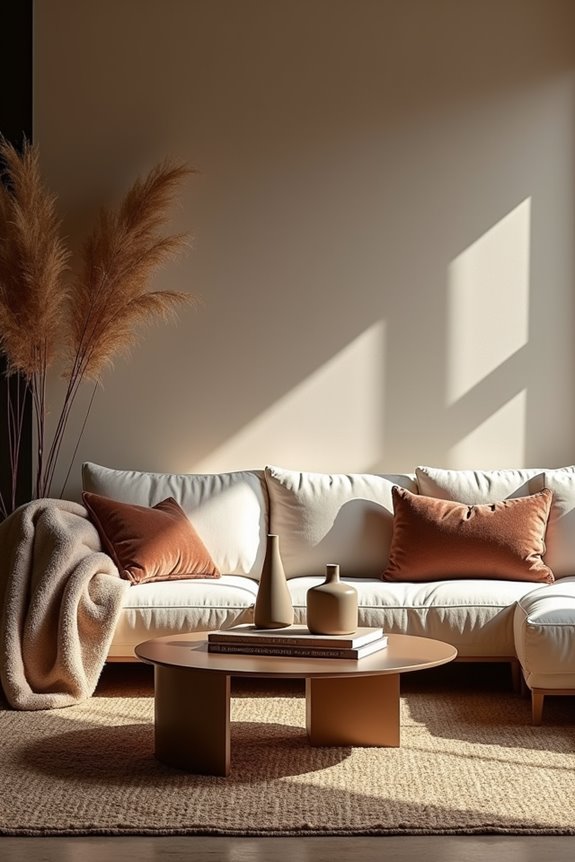
When I started rearranging my living room, I realized I was actually learning real skills—like figuring out which colors work together, how to arrange furniture so a space feels balanced, and why lighting can completely change a room’s appearance. Through practice, I’ve gotten better at visualizing how a rug or some throw pillows will look before I buy them, and I’ve stopped relying on Pinterest to tell me what works. These practical techniques you pick up—testing layouts, mixing textures, experimenting with different pieces—become tools you can use over and over, whether you’re refreshing your bedroom or helping a friend with theirs.
Organizing And Styling Spaces
How do you turn a cluttered room into a space that actually makes you happy to walk into? I’ve learned that organizing and styling spaces matters. When I started, I realized these core skills work in any room:
- Arranging furniture to create flow and function
- Choosing color palettes that match your personality
- Layering textures and lighting for comfort
I began with small projects—restyling my coffee table, swapping throw pillows, painting frames. Each attempt taught me how colors interact, how spacing affects mood, and what actually makes a room feel like mine. Organization isn’t just about tidiness; it’s about creating harmony. You’re building a personalized space that shows who you are, and there’s nothing quite like that feeling when everything finally comes together.
Learning Practical Home Techniques
Home styling isn’t about perfection. I’ve learned that creating coherent color palettes, arranging furniture thoughtfully, and using rugs as design anchors takes practice. I start with one room, experimenting with textures and lighting until things click. Each completed project—even simple coasters or wall art—reinforces that I’m building genuine skills.
The beauty? You’re not just decorating. You’re developing practical expertise that’s satisfying and doable.
The Satisfaction of Finishing a Project
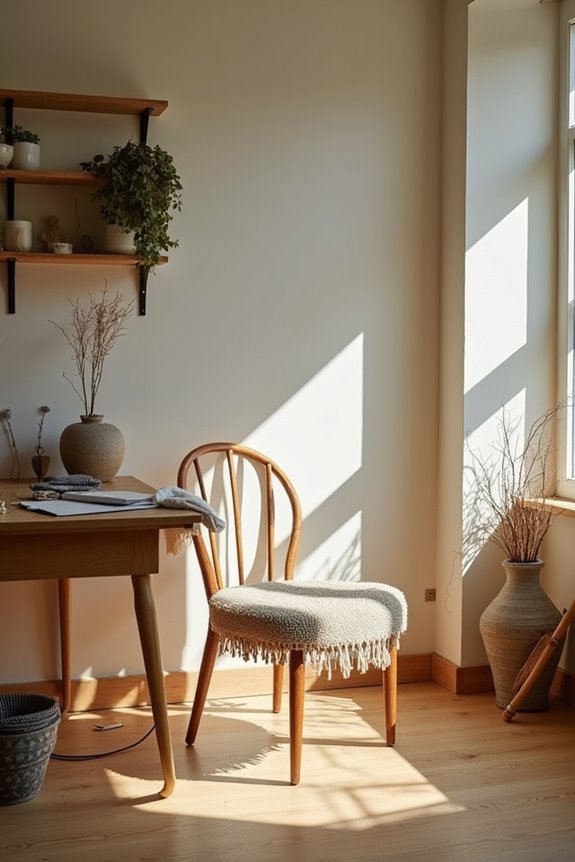
When I finally hang that wall art I’ve been planning for weeks or finish sewing throw pillows for my couch, I get this rush of pride because I’ve actually made something real and useful for my space. There’s something special about stepping back and seeing a project come together—it’s not just about having a prettier room, it’s proof that I can plan something, work through it step by step, and pull it off. That tangible finish line keeps me excited to start my next décor project, because I know I’ll feel that same satisfying sense of accomplishment all over again.
Tangible Results and Accomplishment
There’s something special about stepping back from your work and seeing an actual, finished thing in front of you. I love how my slow, intentional process results in tangible outcomes I can touch and use every day.
When I complete projects, I experience a real sense of accomplishment that’s hard to match. Here’s what makes it so rewarding:
- Quick wins with simple projects like painted coasters give me immediate motivation to tackle bigger pieces
- Finished embroidery or quilts become functional art on my walls, reminding me of what I’ve created
- A series of completed crafts makes my whole space distinctly my own
These physical outcomes aren’t temporary—they’re lasting proof that I showed up and finished something. That feeling of seeing my effort become reality? This is why I keep coming back.
Creative Fulfillment Through Completion
Beyond just having something beautiful to look at, finishing a home décor project gives you this remarkable rush that goes way deeper than the final result itself. When I complete a DIY project—whether it’s hanging new wall art or rearranging my coffee table—I feel this genuine sense of pride that’s honestly hard to describe. That moment when everything clicks into place? It totally shifts my mood, making my whole space feel fresh and deliberate. Each finished piece becomes proof that I can create something meaningful. The completion itself matters more than perfection. I’ve learned that showing off my work to friends reinforces how capable I actually am. That shared excitement keeps me hungry for the next project, building momentum that makes me feel like I’m genuinely part of something creative and real.
Why Home Decor Reduces Stress
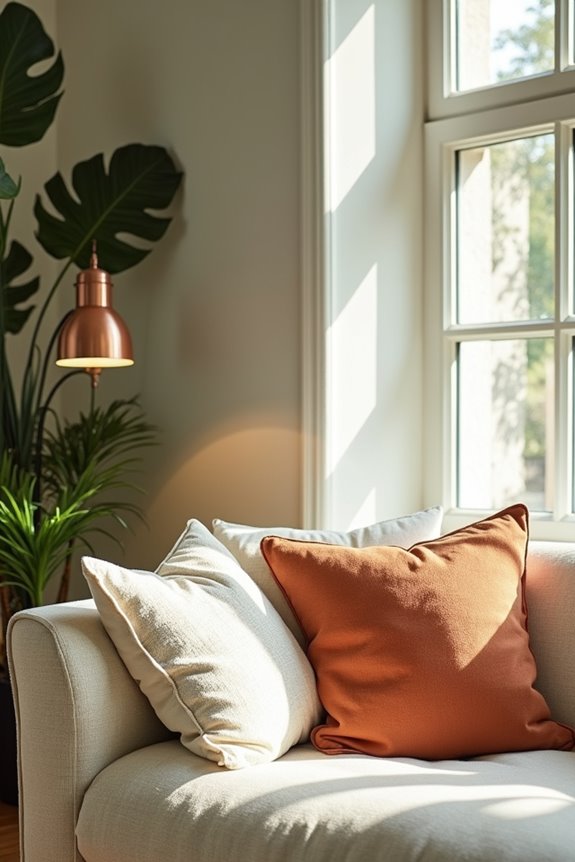
How does rearranging a single room manage to calm your mind so completely? I’ve discovered that home décor actually works as a stress-relief tool. When I’m decorating, I’m engaging in mindfulness without even realizing it—my attention focuses on colors, textures, and placement details that quiet my racing thoughts.
Here’s why home décor reduces stress:
- Organization creates clarity – A tidy, cohesive space visually calms my nervous system and eliminates mental clutter.
- Hands-on projects distract me – Selecting throw pillows or restyling furniture pulls my focus away from worries, giving me real accomplishment.
- Personal control matters – Expressing my style through décor choices boosts satisfaction and reminds me I have agency over my environment.
I’ve learned that taking things slowly, noticing small details, and creating my own comfortable environment lowers my stress levels.
Starting Simple: Beginner-Friendly Projects
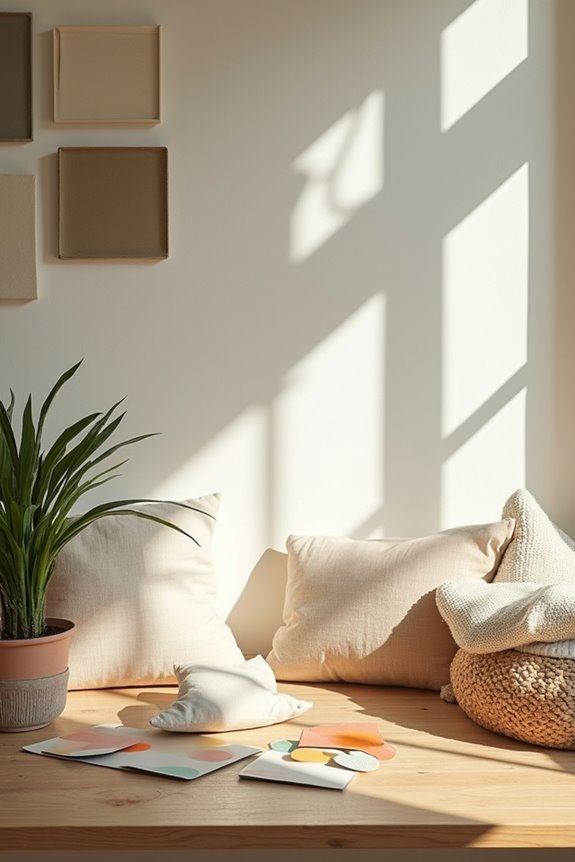
Momentum builds when you start small. I’ve discovered that beginner-friendly projects like restyling a coffee table or painting picture frames aren’t just fun—they’re confidence boosters. You don’t need fancy skills or expensive supplies to begin.
| Project | Materials | Time |
|---|---|---|
| Throw Pillows | Fabric, stuffing | 1-2 hours |
| Picture Frame | Paint, brushes | 30 minutes |
| Coffee Table Refresh | Stain, cloth | 1 hour |
| Wall Art | Canvas, markers | 45 minutes |
What I love about starter projects is the mindful crafting aspect. You slow down, experiment with colors and textures, and actually enjoy the process. My early attempts weren’t perfect, but they taught me loads. As your confidence grows, you’ll naturally progress toward macramé hangings or small upholstery upgrades. That’s how you build a skill set while creating a space that belongs to you.
Common Mistakes Beginners Make
When I started decorating my home, I made the rookie mistake of tackling ambitious projects like a complete room makeover without giving myself enough time, which left me stressed and with half-finished corners I’d rather forget. I’ve learned that skipping the basics—like measuring your space, checking your lighting, and thinking about how you’ll actually use a room—can lead to décor that looks great in your head but doesn’t work in real life. Budget matters too; I discovered that cheap materials and tools often produce disappointing results that make you want to quit, so investing in decent supplies from the start really does pay off.
Overcomplicating Initial Projects
Why do so many of us jump straight into ambitious decor projects when we’re just starting out? I’ve been there. We see gorgeous Pinterest boards and suddenly think we can build a feature wall or upholster furniture without any real experience. Here’s what actually works better:
- Start with beginner-friendly tasks like painting a picture frame or creating simple wall art
- Focus on planning and budgeting before you buy supplies
- Choose small projects you can repeat until techniques feel natural
Skipping practice drills leads to frustration. When I rushed into my first sewing project without testing stitches, I wasted money and time. Now I build confidence with simple, repeatable tasks before tackling bigger decor goals. You’ll get there too.
Neglecting Space Planning Fundamentals
After you’ve tackled those confidence-building projects, it’s tempting to just start buying pieces you love and stuffing them into your room. I’ve been there, and it doesn’t work out. Space planning fundamentals matter way more than any single cute item you’ll find.
Here’s what I learned the hard way:
| Mistake | What Happens | Fix |
|---|---|---|
| Skipping measurements | Furniture doesn’t fit right | Measure everything first |
| Ignoring traffic flow | Room feels cramped | Leave clear pathways |
| Forgetting a main feature | Space looks messy | Choose one primary focus |
Your room layout needs breathing room. I blocked my doorway with a chair once—terrible call. Solid space planning with proper lighting design creates a functional, welcoming space that actually shows off those beautiful pieces you own.
Ignoring Budget and Resources
How much money do you actually have to spend on decorating?
I’ve learned this the hard way. When I started decorating, I’d grab trendy items without thinking. Big mistake. Here’s what I wish I’d done:
- Set a realistic budget before shopping anywhere
- List your resources, including time and existing furniture
- Plan purchases around quality over quantity
I’d waste cash on cheap décor that fell apart in months. Now I invest in fewer, durable pieces that last. It’s like this: you’re building a space you’ll live in daily, not just filling it with stuff.
Real talk? Planning your budget upfront saves money and stress. You’ll make smarter choices and actually enjoy your home instead of feeling buyer’s remorse. That’s the hobby done right.
Creating a Workspace for Design Experiments

Since you’re getting serious about home décor as a hobby, you’ll want to set up a dedicated spot where you can actually experiment without disrupting your living space. I created a small corner in my spare room where I test color palettes, textures, and lighting before committing to my whole house. It works well.
| Element | Purpose | My Setup |
|---|---|---|
| Fabric swatches | Test colors together | Pinboard wall |
| Sample paints | Preview wall shades | Small paint cans |
| Furniture mockups | Plan layouts safely | Sketch pad area |
Your workspace becomes your creative laboratory. I arrange throw pillows, experiment with different arrangements, and figure out what actually works before spending real money. This organization keeps my design experiments focused and my living space functional.
Scaling Up: From Simple to Advanced Techniques
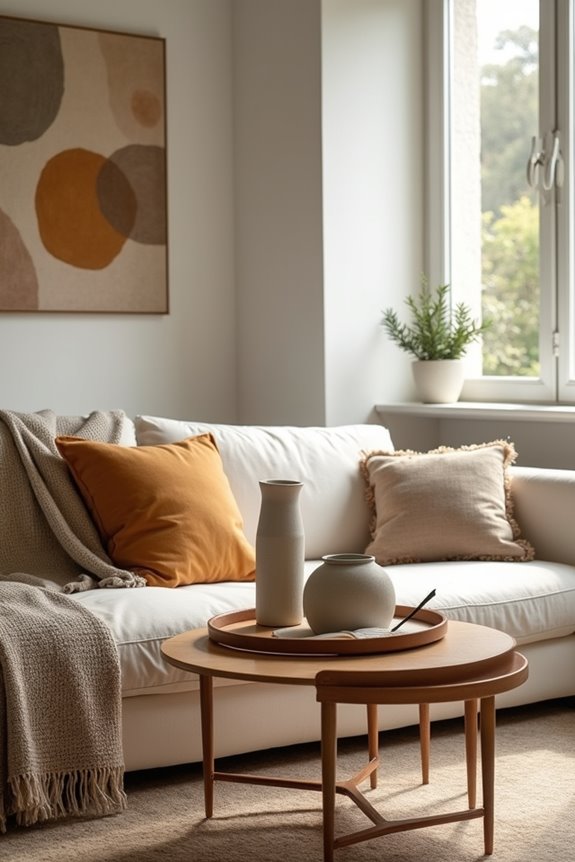
Once you’ve got your experimental corner set up and you’re feeling confident with the basics, you’re ready to advance your skills. I’ve discovered that scaling up in home decorating doesn’t mean jumping straight to complex projects. Instead, I tackle progression thoughtfully:
- Start with furniture makeovers or handmade wall art before attempting entire room renovations
- Experiment with diverse media like rugs, sculptures, and lighting to build confidence
- Progress from beginner kits to advanced techniques as your abilities grow
This gradual approach keeps me motivated without overwhelming myself. As I’ve developed skills, I’ve noticed something valuable: my DIY to professional journey has opened possibilities I hadn’t imagined. What started as weekend projects in my workspace has become something I could genuinely monetize. That shift feels natural when you’re building with purpose.
Using Home Decor to Express Your Style
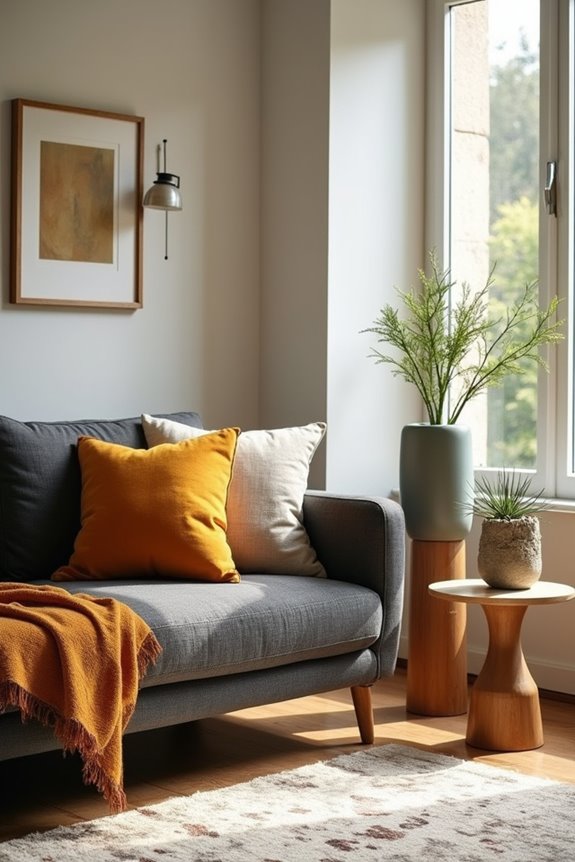
Your home’s personality is really just a reflection of yours. I’ve discovered that decorating isn’t just about matching colors—it’s about telling my story through my space. When I create a mood board, I gather images, fabrics, and colors that speak to me, not what magazines say I should like. Maybe I’m obsessed with vintage finds mixed with modern pieces, or I love cozy textures and warm lighting. That’s my unique style developing.
I’m learning that expressing my style means being brave enough to break “decorating rules.” My coffee table arrangement might seem random to someone else, but it makes perfect sense to me. That’s what matters. Your space should feel like home because it actually represents who you are—quirks and all.
Finding Design Inspiration and Staying Motivated
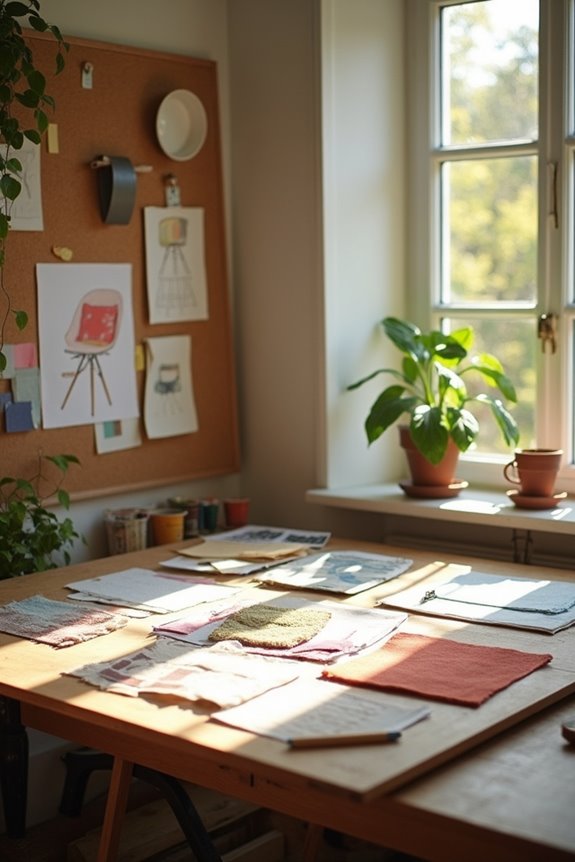
Where do I even find ideas when I’m ready to redo a room? I’ve discovered that inspiration surrounds me when I actually look for it. Here’s what keeps my motivation alive:
Inspiration surrounds you when you actually look for it—that’s what keeps motivation alive for room redesigns.
- I browse Pinterest and save color palettes that speak to who I am
- I tackle small DIY projects like painting frames or upcycling old furniture
- I explore different styles—rustic, modern, traditional—to spark new ideas
Creating a mood board helps me visualize everything before committing. I start simple with starter projects that build my confidence without needing professional help. Honestly, some attempts flop, but that’s part of the journey. When I step back and admire what I’ve created, stress melts away. That feeling? That’s when home décor stops being just a task and becomes something I genuinely enjoy doing.
Turning Your Space Into an Ever-Evolving Project
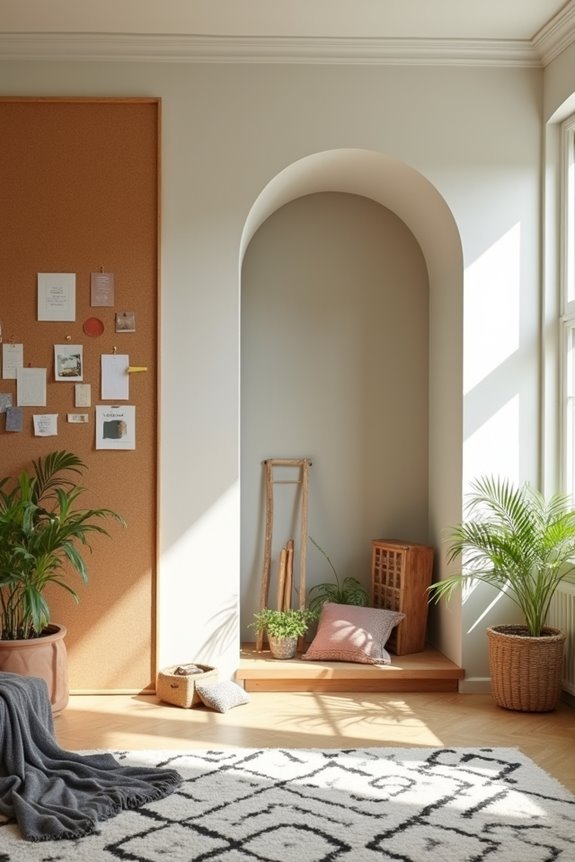
The beauty of home décor as a hobby is that you’re never really done—and honestly, that’s the best part. My space evolves constantly as my tastes shift and seasons change. I’ll swap out throw pillows, experiment with wood tones, or rearrange furniture to refresh everything without spending too much. Creating a mood board helps me visualize changes before committing. The versatility of décor means I’m always discovering new possibilities. Last month I painted a picture frame; this month I’m eyeing my coffee table. What I love most is how personal these projects feel. You’re not following someone else’s rules—you’re building a home that reflects who you’re becoming, one small change at a time.
How to Monetize Your Home Decor Skills
If I’ve learned anything from obsessing over my own space, it’s that people will actually pay for the styling skills you’ve developed through all that experimenting with rugs, art, and furniture arrangements. I started offering interior styling services to friends, then built a portfolio of my work online, which led to real clients hiring me for room makeovers and design consultations. Now I’m not just decorating my home for free—I’m getting paid to help others redesign theirs, whether that’s through in-person styling sessions or remote advice about color palettes and furniture layouts.
Professional Styling Services
How’d you like to turn all those hours you’ve spent rearranging furniture and hunting for the perfect throw pillow into actual income?
I’ve discovered that professional styling services are genuinely lucrative. Here’s what I do:
- Offer in-home consulting where I help clients define their style and reimagine their spaces
- Build a portfolio showcasing my best projects—restyled rooms, furniture arrangements, color schemes that work well together
- Charge for styling sessions, whether it’s full room redesigns or targeted advice
The key? I position myself as someone who understands what makes a space feel welcoming. My consulting rates cover everything from initial design meetings to shopping assistance. I’ve found that people value expert guidance. Your eye for detail and color palettes? That’s worth real money.
Building Your Design Brand
Once you’ve got clients knocking on your door for styling advice, it’s time to turn those individual projects into a recognizable brand that sets you apart. I’ve learned that your design brand thrives when you develop a signature style—maybe it’s rug-centered themes or a rustic aesthetic that becomes unmistakably yours.
Start building portfolio development by photographing your best work. I document furniture makeovers, handmade wall art, and styled spaces that showcase your home styling expertise. These images become your visual resume.
Here’s what’s worked for me: lean into what you genuinely love. When clients see your passion for incorporating sculptures, paintings, and textiles in specific ways, they’ll want exactly that. Your unique perspective isn’t just decoration—it’s your competitive edge. That’s what turns a hobby into a brand.
Home Decor Communities and Learning Resources
Where can you find your people when you’re obsessed with making your space look better? I’ve discovered that home décor communities are valuable resources for connecting with fellow enthusiasts like you.
When I started exploring learning resources, I found:
- Online forums and social media groups dedicated to home styling tips and tricks
- YouTube channels showcasing DIY projects and affordable room updates
- Pinterest boards and blogs sharing design inspiration and practical techniques
These spaces let me share my struggles—like that time I picked the wrong paint color—without judgment. You’ll discover others tackling the same challenges. I’ve learned a lot from watching how experienced decorators approach space organization and color pairing. The community aspect makes this hobby feel less isolating. You’re never alone in your design journey when you have people supporting you along the way.
Taking Your Hobby to the Next Level
So you’ve mastered the basics of home décor, and now you’re wondering if there’s more you can do with all these skills you’ve picked up?
Absolutely. Monetizing your passion adds value to the whole experience. You can offer styling services to friends, create functional pieces like pillows and coasters, or start a blog sharing your room makeovers.
Monetize your passion for home décor by offering styling services, creating functional pieces, or starting a blog to share your room makeovers.
Create a mood board for each project style you want to develop—rustic, modern, or traditional. This helps clients see your vision and makes you feel more confident pitching your work.
The key? Learn the basics deeply first, then expand into rug designs and wall art. I built a portfolio documenting my room makeovers, which attracted my first paying clients. Your hobby’s potential is waiting for you to reach out and grab it.