
Professional home decorators are trained experts who work with your spaces—think of them as styling specialists focused on colors, furniture, and accessories. Some have formal credentials in interior design, handling everything from space planning to building codes, while others concentrate purely on visual appeal. I’ve found that many professionals offer both services, which honestly blurs the lines. Whether you choose virtual design ($159 per room) or in-person consultations ($499+), you’re getting someone who knows how to source quality pieces and manage your budget. There’s more to discover about finding the right fit for your project.
Interior Designers vs. Interior Decorators: What’s the Difference?
Ever wondered why some people who decorate homes have formal credentials while others just seem to have great taste? I’ll tell you the difference. Interior designers are trained professionals with credentials who handle the big stuff—planning spaces, checking building codes, and working with architects. They’re the ones managing entire projects from start to finish. Interior decorators, though? They’re the styling experts. They focus on making spaces beautiful through colors, furniture, and accessories. Here’s the thing: both matter, but they do different jobs. Designers tackle structural challenges and safety codes. Decorators create visual appeal. Many professionals offer both services, which can blur the lines. Understanding these distinctions helps you find exactly who you need for your project.
Core Responsibilities: Space Planning, Procurement, and Project Management

What’s really happening behind the scenes when a designer works on your space? I’m juggling three major responsibilities. First, I tackle space planning—measuring your rooms, sketching layouts, and figuring out where everything actually fits. Then comes procurement, where I hunt down the perfect furniture and décor that match your style and budget. Honestly, sourcing takes patience and connections with trusted brands. Finally, there’s project management. I’m coordinating with contractors, scheduling site visits, and making sure timelines stay on track. It’s like conducting an orchestra where every player needs direction. I handle the details so you don’t have to worry. From vision to installation, I’m managing the whole journey, keeping everything aligned and moving forward smoothly.
Skills That Separate Professionals From DIY and Stylists
When I work with clients, I’ve learned that what truly sets professional designers apart isn’t just picking appealing colors or finding interesting furniture—it’s having the technical training to solve real problems, like figuring out how to make a cramped kitchen work better or choosing materials that’ll actually hold up to your family’s daily use. I can read building codes, understand load-bearing walls, and coordinate with contractors to make sure everything works together, whereas a DIY approach or even a stylist might miss these critical pieces and leave you with a visually pleasing room that doesn’t function properly. Think of it this way: a stylist decorates the surface, but I design the whole experience, making sure your space is both attractive and actually livable.
Technical Expertise And Training
The difference between hanging a picture frame and designing a functional living space comes down to training and skill—and honestly, it’s bigger than you’d think. When I pursued interior design training, I learned that professional qualifications matter. I studied space planning, building codes, and how to coordinate with architects and contractors—stuff you won’t pick up from Pinterest. Design education taught me to see beyond pretty colors. I now understand how light flows, how traffic patterns work, and how to budget projects properly. That formal training separates us from stylists who focus mainly on decoration. I can manage construction timelines, source materials strategically, and solve real problems. It’s the difference between making a room look nice and creating a space that actually works for how people live.
Design Problem-Solving Mastery
How do you turn what a client wants into a space that actually works? That’s where design problem-solving comes in. I start by listening carefully to their daily routines, then I tackle space planning like a puzzle—figuring out traffic flow, storage needs, and where light hits naturally. Here’s my honest truth: it’s messy at first. I sketch, I measure twice, I visit the site multiple times. Through project coordination, I talk with contractors and architects to catch problems early. I’m basically translating “I need this to feel calm” into specific furniture placement, color choices, and lighting zones. That’s what separates us professionals from stylists who just hang pretty things on walls.
Educational Credentials and What They Actually Signal
When I’m hiring an interior designer, I’ve learned that their degree or certification tells me they’ve studied building codes and space planning—practical knowledge that matters when you’re knocking down walls or picking fire-safe fabrics. But here’s the thing: I’ve met credentialed designers who couldn’t nail a client’s vision, and self-taught portfolio stars who absolutely could, which is why I always ask to see actual projects they’ve completed. So while formal training signals they know the technical foundation, what really convinced me was flipping through their portfolio and seeing if they could solve real problems, not just pass tests.
Formal Training And Certifications
What separates someone who’s read a few design blogs from someone who actually knows what they’re doing? Formal credentials and certification. When I earned my professional credentials through an accredited program, I wasn’t just collecting a fancy certificate. I was proving I understood space planning, building codes, and how to work with architects and contractors. That accreditation matters because it shows clients I’m serious about my craft. Organizations like the Chartered Society of Designers and the Society for Interior Designers set real standards we actually follow. Getting certified meant I could access professional networks, continuing education, and genuine industry respect. It’s the difference between decorating your apartment and being trusted to plan someone else’s entire home. That credibility is earned through legitimate training.
Portfolio Experience Over Credentials
But here’s the thing—credentials alone don’t prove you can actually do the work. When I’m selecting design services, I want to see what a designer’s actually created. That’s where your portfolio comes in. It tells the real story.
Experience matters more than a certificate on the wall. I look at completed projects, see how designers handled different spaces and budgets, and check if their style works for me. Havenly gets this—their designers bring 10+ years of hands-on experience sourcing products and creating spaces that function well.
A strong portfolio shows you’ve solved real problems for real people. You’ve tackled tricky layouts, worked within budgets, and made clients satisfied enough to return. That’s the proof I trust when picking someone to design my home.
How Professional Decorators Work: Virtual vs. In-Person

Wondering which decorating option fits your life? I’ve found that virtual design and in-home design each offer unique benefits for designer collaboration. Here’s how they compare:
| Aspect | Virtual Design | In-Home Design |
|---|---|---|
| Cost | $159–$199/room | $699–$499/room |
| Designer Visit | No | Yes |
| 3D Rendering | Included | Included |
| Your Control | You manage timing | Designer guides process |
| Best For | Busy schedules | Personalized touch |
With virtual design, I work one-on-one with a designer who handles plans and product picks while I stay in control of timing. In-home design brings an expert directly to my space, building the plan together and seeing projects through completion. Both tap into designer recommendations with 10+ years of experience, sourcing from favorite brands with exclusive deals included.
The Decorator’s Process: From Consultation to Installation
When you work with a professional decorator like those at Havenly, you’ll start with an initial assessment where you answer a style quiz and chat about your space’s layout and what you actually need, not just what looks pretty. Next comes the fun part—your designer creates 3D renderings so you can see the whole plan before anything gets ordered, which honestly takes the guesswork out of whether that couch will actually fit. Finally, you’ll move through implementation where the designer helps you shop from curated brands, handles the logistics, and guides you through checkout so your room changes from “meh” to great without you feeling lost.
Initial Assessment And Planning
How’s a professional decorator actually supposed to know what you want if they don’t ask?
That’s where the initial assessment comes in. I start by sitting down with you for a design consultation—sometimes complimentary, sometimes paid—where we talk through everything. What’s your style? What colors make you happy? How do you actually live in your space?
I’ll ask about your budget too, because honestly, that shapes everything. Then I gather your input through style quizzes or casual briefings. These help me refine my recommendations and create a tailored plan that feels genuinely yours.
The planning phase isn’t just me sketching ideas. It’s about understanding you. By the end, you’ll see layouts and product selections ready for your approval. That’s when things start happening.
Design Presentation And Selection
Once I’ve gathered all your input and done my homework on your style, it’s time to show you what I’m thinking. I’ll present a complete design plan that brings your vision to life through 3D renderings and carefully selected options. You get to pick your favorite elements, and I adjust anything you’d like to match your budget and goals.
| Your Role | My Role | Timeline |
|---|---|---|
| Review options | Present concepts | Presentation day |
| Select preferences | Suggest alternatives | Same meeting |
| Approve final picks | Finalize selections | Week one |
This collaboration puts you in the driver’s seat while I guide you toward solutions that work well for your space. Together, we’re building something that feels like you.
Implementation And Project Completion
Now comes the part where your beautiful design actually becomes real—and honestly, this is where I earn my keep. I coordinate everything: contractors, furniture delivery, installation timelines. With turnkey services, I handle the heavy lifting so you don’t have to juggle a hundred details. Your interior design process doesn’t end at selection; it’s just shifting gears.
I manage warehousing, oversee installations, and solve problems when they pop up—because they always do. I’m your buffer between chaos and calm. You’ll see your space come together week by week. Project completion means walking into a finished room that matches what we planned together, without you feeling exhausted. That’s the whole point of having me here: turning your vision into reality while you actually enjoy the journey.
Sourcing, Budgeting, and Timeline Management

When you’re ready to redesign your interior, the budget question usually comes first—and that’s practical thinking. Professional designers tackle budgeting upfront, offering flexible options like virtual design at $159 or in-person services starting at $499. They source products from trusted brands while securing exclusive deals that stretch your dollars further. The timeline management piece? It’s straightforward. You’ll complete a style quiz, review 3D renderings to visualize everything, then move forward with confidence. Your dedicated designer tailors selections specifically to your style and budget constraints. With over 100,000 completed designs, these professionals handle the sourcing legwork, so you’re not overwhelmed shopping solo. That’s the real benefit—someone managing the details while you enjoy the process.
Professional Decorator Costs: What You’ll Actually Spend

How much should you really budget for professional decorating help? Professional decorator costs vary based on what you’re looking for. Here’s what you can expect:
- Online interior design services – Havenly offers these at $159 per room (on sale from $199), making it affordable for anyone wanting expert guidance.
- In-person at-home consultations – Starting at $699 for your first room, then $499 for additional rooms, plus $199 per extra space if needed.
- What’s included – You’ll get a dedicated designer, 3D renderings, and exclusive brand deals to simplify your shopping.
These interior design services meet different budgets. Whether you choose virtual or in-person help, you’re investing in results that work for your space.
Red Flags That Reveal Design Amateurism
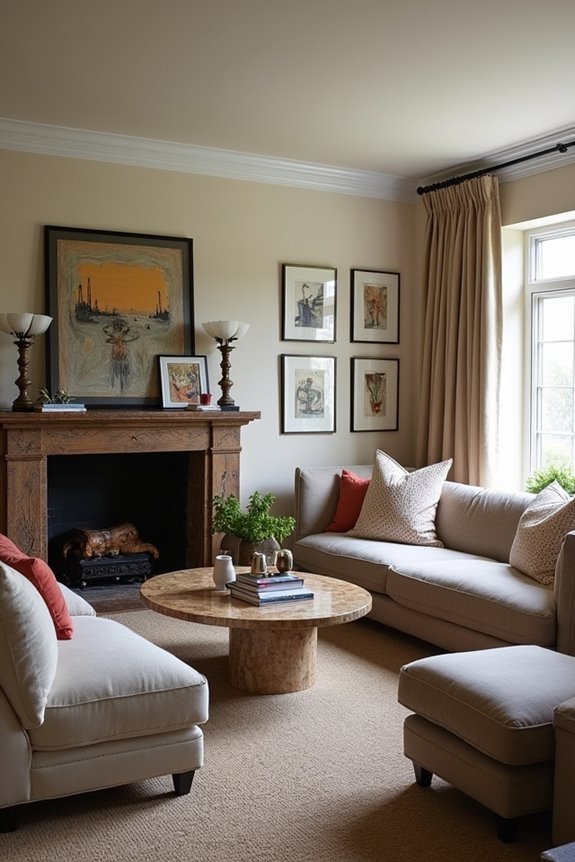
Ever walked into a room and felt something was just… off?
I’ve learned that amateur design often reveals itself through obvious mistakes. Mismatched scale—like cramming oversized furniture into tiny spaces—screams inexperience. You’ll notice a lack of consistent color throughout rooms, creating visual chaos instead of harmony.
Poor space planning bothers me too. Blocking natural pathways or ignoring how you actually live in a space shows limited thinking. Then there’s the generic approach: picking whatever’s available instead of sourcing thoughtfully.
But here’s what really matters? Client collaboration. Professional decorators listen to your lifestyle, budget, and preferences. We don’t just impose our vision. When designers skip this step, the space feels disconnected from who you actually are.
That’s the difference between amateur and professional work.
Choosing the Right Decorator for Your Space and Budget
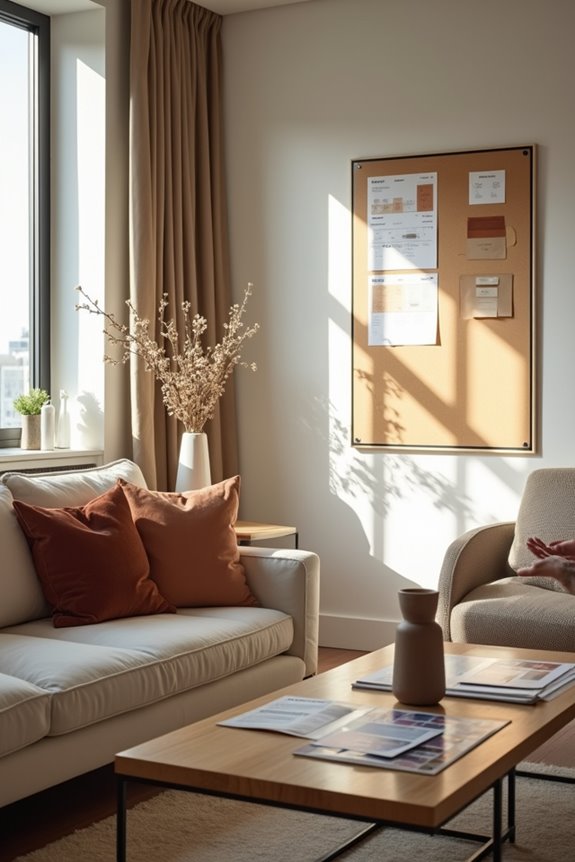
Now that you know what separates amateur work from professional design, finding the right decorator for your specific situation is the next move.
When I’m hunting for an interior designer, I consider three things:
- Service type that fits my life – Online design runs $159 per room, while in-person visits start at $699. I pick based on my schedule and budget.
- Personalized design approach – I want someone who listens to my style, not pushes theirs. Good designers tailor picks to me, not generic trends.
- Design service pricing transparency – I ask upfront what’s included: renderings, shopping help, exclusive deals? No surprises later means peace of mind.
The right decorator makes your space work for you.
Why Professional Decorators Save Time, Money, and Sanity

Why do I keep redesigning my living room every six months instead of actually enjoying it? That’s where professional decorators come in. Here’s the truth: I’d waste countless hours scrolling Pinterest, second-guessing colors, and returning furniture. Professional decorators? They’ve got the design process down to a science. They handle floorplans, layouts, and product sourcing while I focus on life. I’m not drowning in decisions anymore. With their expertise, I’m getting 3D renderings before anything arrives, exclusive brand deals that save money, and streamlined checkout that makes implementation painless. Time savings alone justifies the investment. No more buyer’s remorse. No more wandering Target aimlessly. Just a thoughtfully designed space that actually reflects who I am, completed by someone who understands my style and budget.